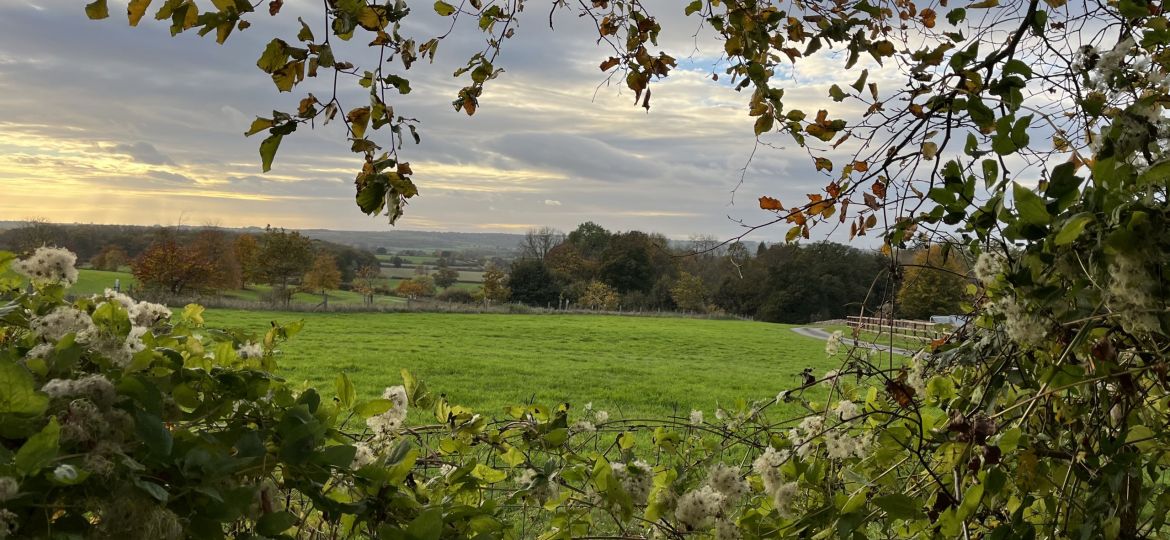
How do you feel about Winter? As I’m writing this, here in the UK it’s turning cold after a mild Autumn and it feels like Winter is suddenly on its way. You may enjoy the feeling of wrapping up warm and going out for a walk on a cold, crisp Winter morning, or curling up indoors with a good book and a blanket. Or you may feel that your energy is fading and your mood is dipping as the the days get shorter and darker. You may have a mix of those feelings and that’s okay too.
AWARENESS AND ACCEPTANCE
Whatever season of life you are facing (literal or metaphorical), self-awareness can help you to navigate it well. As we are heading into Winter, it helps to know and reflect on how you feel about it, what your relationship with Winter is like. If you love it, that’s wonderful. Embrace it! If it’s a difficult time for you, acknowledge that and try to give yourself the extra care and compassion you need. There may be things you like about Winter and things you don’t like. Accepting that can help you to find a way through it.
NOTICE YOUR NATURAL RHYTHMS
What is your body telling you? This is something we often overlook in our busy lives. We may have many demands on our time, a never ending to-do list and a feeling of pressure to get it all done now. That makes it hard to pause and notice what we are feeling, but pushing ourselves too hard over a long period can lead us into cycles of low mood, anxiety and burnout. So how can we prevent that?
We all have a natural rhythm and it helps to know what it is. You may be a morning person or a night owl. You may notice a dip of energy in the afternoon. Our natural rhythms may change as we age, and we will have less energy overall so it becomes even more important to know how to conserve it.
In addition to our personal rhythms, we can also be affected by changes in the seasons and by temperature and light in particular. As we enter into Winter, the shortened days, dark evenings and cold weather can lower our energy levels and increase our need for rest. If we don’t take this into account and adjust our activity accordingly, our wellbeing and mood may be affected. You can read more about Seasonal Affective Disorder (SAD) here.
If we get into a habit of pausing and noticing what we are feeling, we can spot any changes quickly and find ways to help ourselves feel better. If we listen to our bodies we may notice signs of tiredness, increased tension or stress that we would otherwise miss. Can you feel tension in your neck or shoulders? Tightness in your chest? A knot in your stomach? A headache or pressure around the eyes? An ache in your jaw which may tell you that you’ve been grinding your teeth without noticing? All of these things might be telling you that you are reaching your limit, that you need to rest, perhaps by taking a break or accepting that you’ve done all you can for today.
PACE YOURSELF
One of the benefits of pausing and checking in with yourself more is that it can help you to learn to slow down and pace yourself. Life can be busy and demanding for many of us, with diaries full and to-do-lists overwhelming. If this is the case for you, the idea of slowing down may make you feel worried or anxious about missing something or not getting things done on time. But often, the reverse is true. By intentionally slowing down, we can think more clearly and prioritise better, as well as giving our minds and bodies some much-needed rest. This is important all of the time, and especially as we head into winter when energy is naturally lower.
COMFORT, CONNECTION, JOY
If Winter is a difficult time for you, or even if you just notice your energy taking a bit of a dip, it can help to think about what would give you a feeling of care and comfort as you navigate the colder, darker months. It might be simple things like lighting candles, wearing warm, cosy clothes and wrapping yourself in a blanket, or cooking some nourishing comfort food. It may also include reaching out to others and seeking connection if you notice your mood is a bit low. And wherever possible, seeking joy, wherever that comes from for you. Walking in nature, reading, listening to music, enjoying a hobby or craft – anything that makes you feel more fully yourself and helps you to relate to yourself with kindness and self-compassion.
And if it feels like these suggestions are barely touching the surface of the way you are feeling, it may be that you need a bit more help to navigate this season (of the year or of your life). If would like to find out more about how therapy can help, contact me on hannahflowerscounselling@gmail.com.